Functioning Information Reference Lab

Our vision

High-quality clinical research through well-designed studies and the appropriate use of statistical methods.

Our mission

We provide methodological and statistical support to researchers at Swiss Paraplegic Research in the planning, analysis, and interpretation of their research. By ensuring that research findings are robust and appropriately interpreted, we provide a sound basis for their translation into clinical practice and for meaningful improvements in the daily lives of people with spinal cord injury.

One focus of the group is the statistical evaluation of questionnaires that assess health-related information. We conduct and support projects involving the development, validation, and linking of questionnaires.

A specific emphasis is advancing the assessment of functioning, which captures how people with health conditions perform in everyday life. These measures reflect important aspects of people’s lived experience of health and complement traditional indicators such as morbidity and mortality. They therefore contribute to a more comprehensive understanding of health at both the individual and population levels.

Methodological consulting

Our research group offers methodological and statistical support to all researchers at Swiss Paraplegic Research. Our goal is to promote and facilitate research through well-designed studies and the appropriate use of statistical methods. We provide assistance at every stage of research projects, from planning to publication, specializing in the areas listed below.

  • Consultation on study design, including research questions, hypotheses, endpoints, and statistical approaches
  • Sample size calculations
  • Support with and collaboration on statistical analyses
  • Support with grant applications
  • Methodological and statistical support and review of study protocols
  • Support with and review of abstracts, posters, and publications
  • Support with statistical programming (R, Stata, Matlab)
  • Consultation on data sharing and reproducible research

  • Sampling techniques
  • Randomization and minimization techniques
  • Descriptive and non-parametric statistics
  • Data visualization
  • Regression models and AN(C)OVA
  • Generalized, mixed effects linear models
  • Time series, longitudinal, and repeated measures analyses
  • Time-to-event, competing risk, and multi-state analyses
  • Scale development and validation (classical test theory, IRT, Rasch models)
  • Development and validation of prediction models and prediction rules
  • Dimension reduction (e.g., factor analysis, PCA)
  • Structural equation modelling, machine learning, and Bayesian methods
  • Systematic reviews, meta-analyses, and network meta-analyses
  • Missing data and imputation methods

Teaching

Another aim of our research group is to promote the appropriate application of statistical methods through teaching. We offer three workshops and contribute to one lecture series. The workshops aim to provide participants with a solid understanding of a range of statistical methods commonly used in the health sciences. They combine theoretical lectures with hands-on practical exercises, providing a balanced and engaging learning experience.

  • Introduction into R programming for health researchers
  • Machine learning and prediction modelling in health research
  • Psychometric analysis of questionnaire data using modern test theory
Heatmap Swiss Paraplegic Research

Contact

Dr. Andreas Limacher

Research Projects
Together with the Ageing, Functioning Epidemiology and Implementation group, we validated the Spinal Cord Injury Secondary Conditions Scale (SCI-SCS). We comprehensively examined the quality of SCI-SCS data and its potential for measuring the burden of secondary health conditions experienced by people with spinal cord injury.

One study compared self-reported information with clinical assessments by treating physicians. Another study examined whether the SCI-SCS performs consistently across different cultural contexts, using data from 35 countries participating in the International Spinal Cord Injury Survey (InSCI).

The analyses showed that the SCI-SCS has good measurement properties across countries. However, the self-reported information reflects the lived experience of secondary health conditions and does not necessarily align with the clinical perspective, which places greater emphasis on diagnoses and symptoms when evaluating these conditions.

In collaboration with the Neuro-Musculoskeletal Functioning and Mobility group, we estimated aerobic capacity reference values during primary rehabilitation for spinal cord injury (SCI) patients. The established reference values support the interpretation of aerobic capacity in individuals undergoing primary SCI rehabilitation, enabling both within-person comparisons over time and between-person benchmarking. The reference values also support the development of individualized training or other therapeutic recommendations aimed at improving aerobic capacity.

Neurogenic bowel dysfunction following spinal cord injury (SCI) can substantially reduce quality of life and independence, as bowel management is often a time-consuming and burdensome process.

In a pilot study, we evaluated the effects of 16 weeks of neuromuscular electrical stimulation (NMES) in people with chronic SCI, in collaboration with the International Centre for Functional Electrical Stimulation (FES) at the Swiss Paraplegic Centre. NMES significantly reduced both defecation time and bowel transit time.

We support the FES Centre in planning a randomized cross-over trial to compare neuromuscular electrical stimulation with sensory electrical stimulation. The study is supported by an SNSF Project Funding grant.

After spinal cord injury, specialized rehabilitation is essential to optimize recovery, prevent complications, and support reintegration into daily life. However, current evidence for the benefits of early rehabilitation is limited and primarily based on retrospective studies. Notably, no studies to date have specifically examined the timing of admission to specialized rehabilitation centers and its potential beneficial or detrimental effect on clinical outcomes.

This evidence gap highlights the need to better characterize both the timing and determinants of first admission to specialized rehabilitation following SCI and to evaluate its impact on functional outcomes. Because randomized studies are difficult to conduct in this context for ethical and practical reasons, we aim to apply causal modeling methods to investigate the effect of rehabilitation timing on functional recovery, as assessed by the Spinal Cord Independence Measure (SCIM) score.

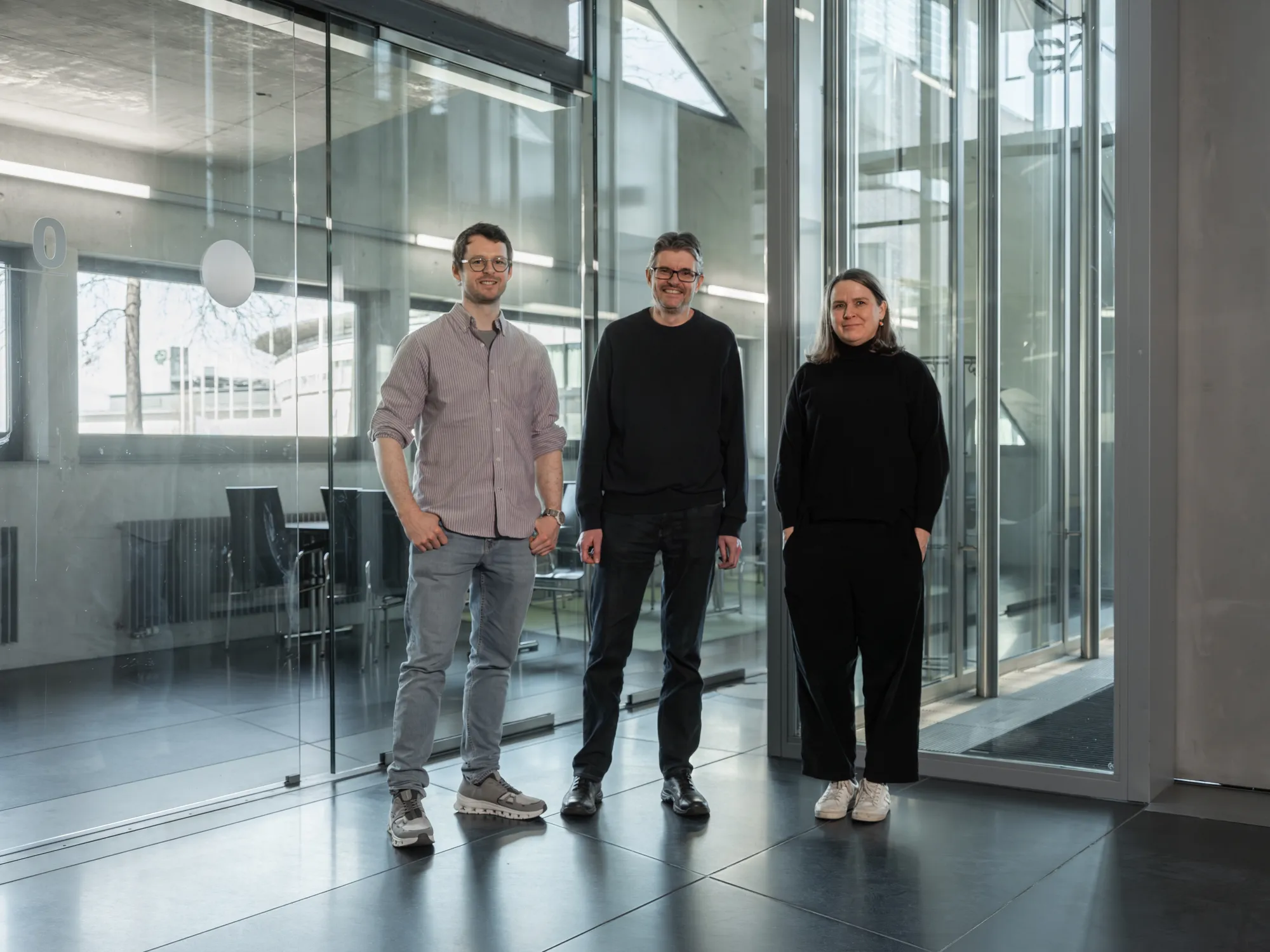
Die Gruppe Functioning Information Reference Lab der Schweizer Paraplegiker-Forschung

Werden Sie jetzt Mitglied und erhalten Sie im Ernstfall 250 000 Franken.

Mitglied werden

Spenden Sie jetzt und unterstützen Sie unsere Projekte zugunsten von Querschnittgelähmten.

Spenden
Was this page helpful?