Ageing, Functioning Epidemiology and Implementation

Our vision

A world in which people with spinal cord injuries receive the rehabilitation and long-term care they need to maintain optimal levels of functioning, independence and autonomy for as long as possible as they age.

Our work sits at the interface of research, policy, and practice. We conduct high-quality studies in Switzerland, across Europe, and internationally, learning from the case of SCI while addressing broader questions of ageing with disability. Four interconnected research streams shape our agenda:

  • Healthy Ageing & Rehabilitation, to ensure that people with SCI receive appropriate care and support across the life course
  • Functioning Epidemiology, to establish functioning as a core health indicator, complementing mortality and morbidity data
  • Implementation Science, to accelerate the uptake of scientific evidence into policy and practice
  • Disability Policy, to foster participation and inclusion of persons with SCI

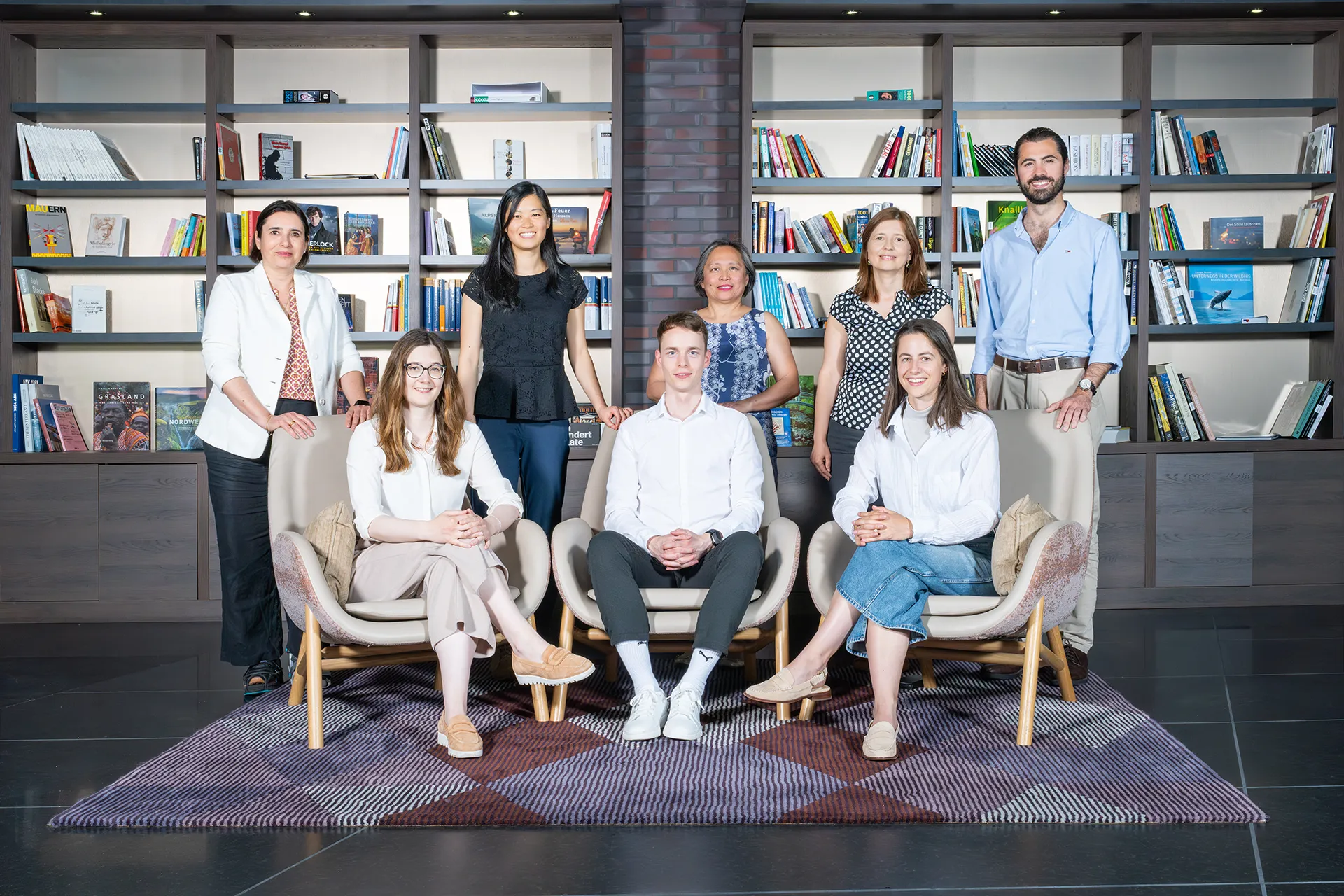
Our interdisciplinary research group brings together expertise spanning healthy ageing, epidemiology, biostatistics, rehabilitation, health policy, nursing, and psychology. Our research is aligned with the Swiss National SCI Strategy 2025–2033 and aims to contribute to meaningful improvements in the lives of persons with SCI.

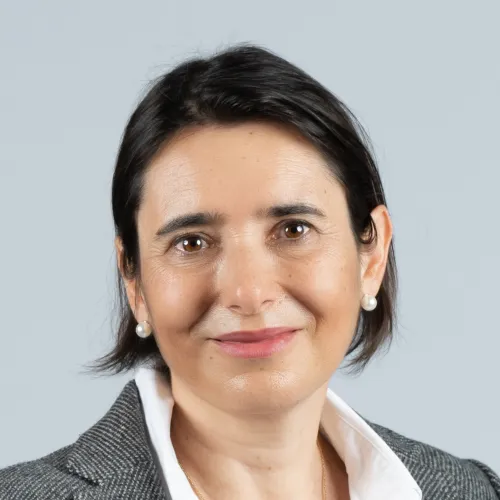
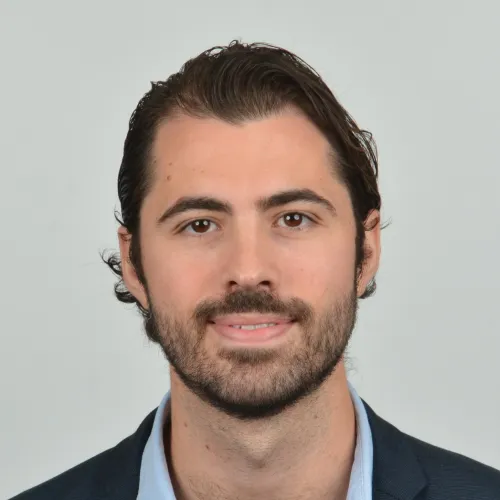
The group is led by Prof. Sabariego (Healthy Ageing and Rehabilitation) and Ass. Prof. Martinez de la Torre (Functioning Epidemiology), who are both bridge professorships between SPF and the University of Lucerne. Through long-standing participation in WHO and European projects, we have built a collaboration network spanning 29 universities, 9 research institutions, and 13 private organisations and civil society partners. Prof. Sabariego also directs the Center for Rehabilitation in Global Health Systems, a WHO Collaborating Centre at the University of Lucerne.
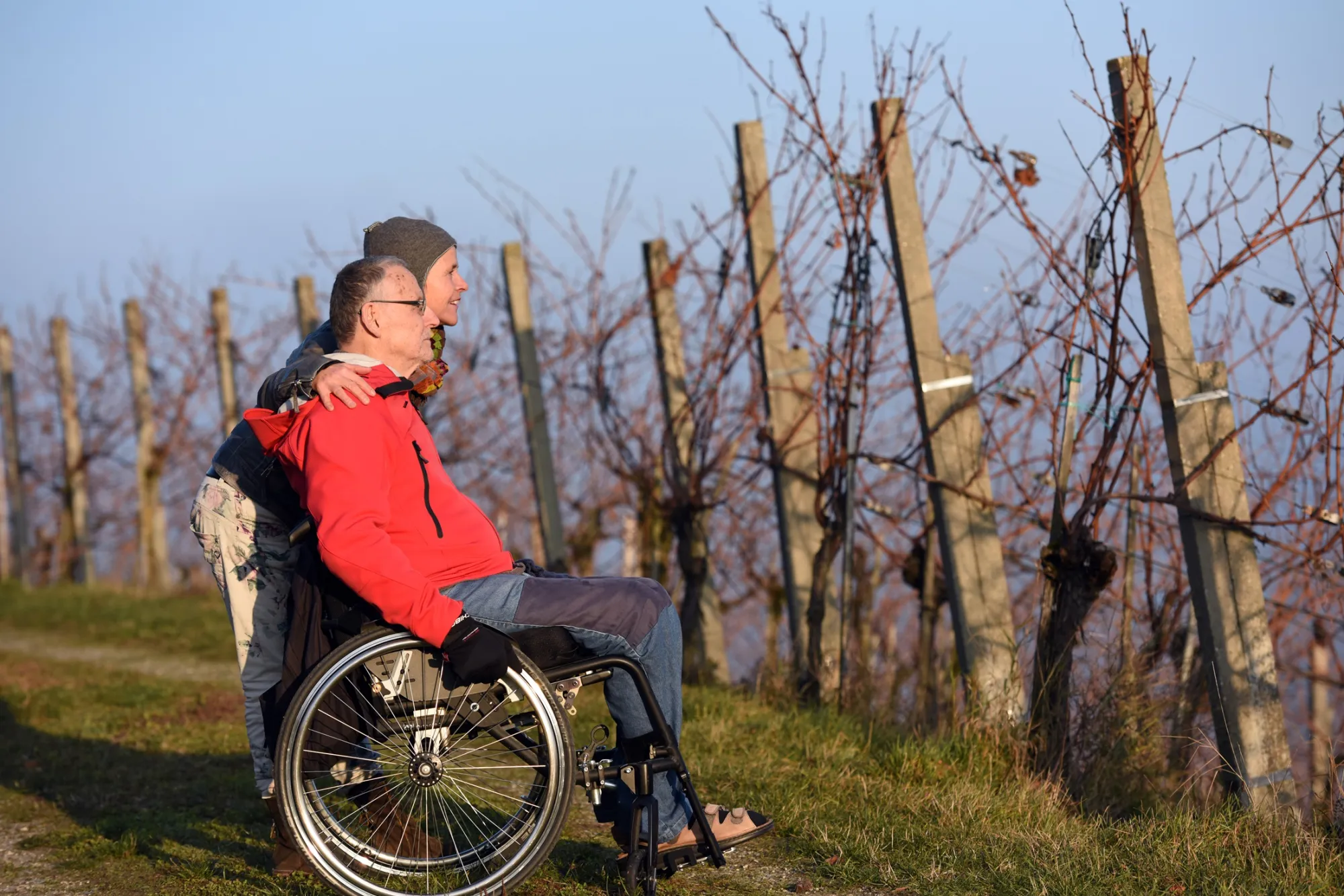
An elderly man in a wheelchair and a woman are looking together towards a vineyard.

Contact

Prof. Dr. Carla Sabariego

Research Group Co-Leadercarla.sabariego@paraplegie.ch

Prof. Dr. Adrian Martinez de la Torre

Research Group Co-Leaderadrian.martinez@paraplegie.ch

Research Projects

We are completing an EU-funded, multi-country project. Its goal is to develop human rights indicators for health-related rehabilitation, in order to monitor the implementation of Article 25 of the United Nations’ «Convention on the Rights of Persons with Disabilities (CRPD)» and the Health Goal of the «Sustainable Development Goals». Building on this work, we will extend the range of rehabilitation indicators to other health and health-related policy areas.

One direction we pursue is the validity and feasibility of using the governance structure and convening power of professional rehabilitation organizations, such as the International Society of Physical and Rehabilitation Medicine (ISPRM) and International Spinal Cord Society (ISCoS), as «champions» for implementing human rights objectives into policy reforms for rehabilitation.

Another direction of research is to contribute to implementation research by using our indicators, both as guidelines for scaling up best rehabilitation practices – in Switzerland, Europe or other countries – and as the basis for evaluating scaling up activities. This work links to WHO’s on-going implementation research in line with its Disability Action Plan 2014-2021, and its program of action, Rehabilitation 2030.

Using rehabilitation services for persons experiencing spinal cord injury (SCI) as an index case, and the International SCI Survey, currently in the field in 28 countries, as the basis for longitudinal data, we will develop linkages between the epidemiology of functioning. Specifically, we look at a) general structural characteristics of the «social response» to population health and health-related needs; and b) features of national health systems continuous quality management systems.

Both sub-projects will require setting out the parameters for a novel approach to epidemiology based on functioning as «the third indicator of health» and determining the basic components of the social response of a just society in meeting individual needs. This will involve us in contributing to WHO’s work on its Model Disability Survey – the first general population survey that uses the notion of functioning to identify populations experiencing disability of various levels of severity.

We will also collaborate with clinical quality management and the use of functioning information in monitoring quality in rehabilitation and other health services. Furthermore we collaborate with the platform of the «Swiss Learning Health System» (SLHS), funded by the Swiss government and located at the University of Lucerne.

Because of the aging population and the epidemiological shift towards increasingly worldwide prevalence of non-communicable diseases, rehabilitation will likely become the key health strategy of the 21st century. From a policy perspective, few countries are adequately prepared to deal with this fundamental shift in focus of the health system. Among other, impacts of these trends will be a) more accurate and relevant approaches to the determination of disability for eligibility for supports and services; b) coordinating health and functioning information across the health system to support better and more patient-centred health and health-related policy; and c) a more coherent social policy response to the needs for persons, as they age with, or into disability, especially given the complex needs associated with multi-morbidity and comorbidities between non-communicable diseases, including especially mental health problems. We propose in the next years to begin preliminary work to create a research agenda including these three important under-researched areas of health and social policy research.

Die Gruppe Ageing, Functioning Epidemiology and Implementation der Schweizer Paraplegiker-Forschung

Werden Sie jetzt Mitglied und erhalten Sie im Ernstfall 250 000 Franken.

Mitglied werden

Spenden Sie jetzt und unterstützen Sie unsere Projekte zugunsten von Querschnittgelähmten.

Spenden
Was this page helpful?