

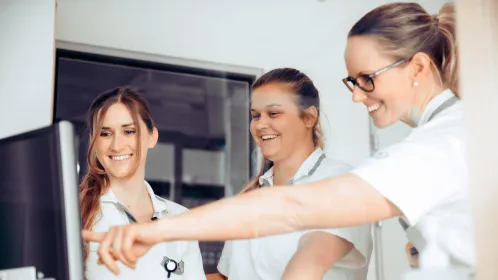
Compassionate. Specialised. Interdisciplinary
We offer individual, holistic support for people with spinal cord injuries and similar conditions throughout their lives. Our nurses play a key role in the interpro-fessional treatment teams and provide specialised rehabilitation, acute and intensive care in the field of spinal cord medicine.
We don’t just talk about change – we shape it togeth-er. For us, innovation means developing nursing as a whole in the same way as in highly specialised areas. With around 70 experts with specialised nursing knowledge and a training team of around 25 people, we boost knowledge, quality and synergies.
What sets us apart
- Consistent specialisation in spinal cord injuries
- Primary nursing, a structured nursing process and targeted patient and family education
- Close collaboration with physiotherapy and occupa-tional therapy, RespiCare, medical services, speech therapy, psychology, pastoral and spiritual care, and peer work
At the SPC, all nursing employees are systematically trained in the field of kinaesthetics in order to strengthen their professional skills when handling the physical requirements involved in the care of people with a spinal cord injury. The integration of kinaesthetics into nursing, whether when positioning, mobilising or transferring, knowledge of physiological patterns of movement and utilisation of personal resources are beneficial to the nursing staff and to people living with spinal cord injury.

Christa Schwager
Patient and family education supports people living with spinal cord injury and their relatives to deal capably with the new situation in life after a spinal cord injury. It promotes self-management and improves health literacy, allowing patients to take responsibility for their day-to-day lives.
Targeted training, instruction and sharing knowledge promote an understanding and acceptance of the spinal cord injury and the treatments required. The active involvement of relatives reduces uncertainty and gradually builds up nursing skills.
Christa Schwager
People with a spinal cord injury are unable to empty their bladder and bowel independently. Our nursing staff show patients suitable aids and methods for safely emptying their bladder and bowel tailored to their individual abilities. The aim is to promote as much independence as possible and make day-to-day life safe and easy to plan.

Till Bertschi
Sexuality remains an important human need even after a spinal cord injury, and may change in terms of expression and experience. We provide space for this and support people living with spinal cord injury and their partners with questions relating to sexuality, the body and intimacy.
Maria Scherrer
Depending on the level of the injury to their spinal cord, people with a spinal cord injury may have impaired respiratory function. Specific breathing therapy and/or ventilation is required in such cases. The ability to communicate and swallowing function are often also affected. In close cooperation with the Speech Therapy team, we use our high level of professional competence in tracheal cannula management and weaning.
We care for ventilated patients on all wards at the SPC.
Denise Schicker
The following may also be of interest to you
People with a spinal cord injury have a very high risk of skin problems due to pressure, shear forces or moisture. Nurses need in-depth specialist knowledge of suitable prevention and treatment measures working with the interprofessional team. Nurses also have the task of educating people living with spinal cord injury and supporting them in maintaining their skin health.
Patients with a spinal cord injury experience changes to their bowel function.
This means that some of our patients have a stoma, for which we offer stoma advice.
Karin Gläsche
Mental health has a great impact on recovery and on the course of rehabilitation for people with a spinal cord injury. Our work also includes responding to the varied needs of people who are struggling with mental health issues. Specialised services and qualified experts mean that even people going through profound mental crises can make the most of comprehensive rehabilitation.
Lea Gehrig
Voluntary work is a cornerstone of our clinic. Around 80 men and women regularly volunteer to improve the well-being of our patients. They offer their time, personal strengths and life experience, to provide companionship, offer support with meals, watch over restless patients and give patients a break from everyday medical life with a game evening, the book cart or therapy dogs.
Tuija Bühlmann-von Arx
Our peer support team share their many years of experience as people living with spinal cord injury. They support and encourage our patients and are an indispensable part of the interprofessional treatment process for the rehabilitation of people with a spinal cord injury. With peer counsellors for relatives, we support relatives in their new role and also address their concerns, questions and fears on an equal footing.
Christian Hähnel
<strong> The following may also be of interest to you </strong>
Our specialists
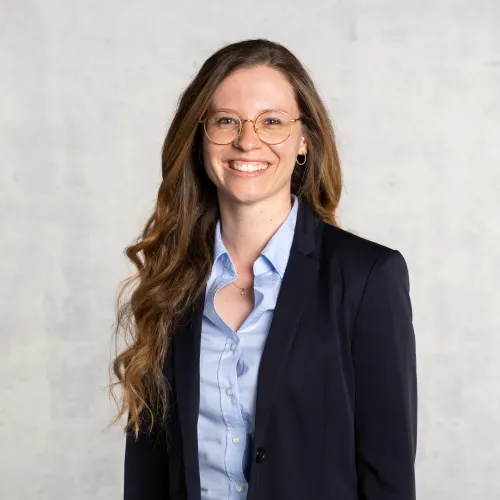
Pascale Thüring
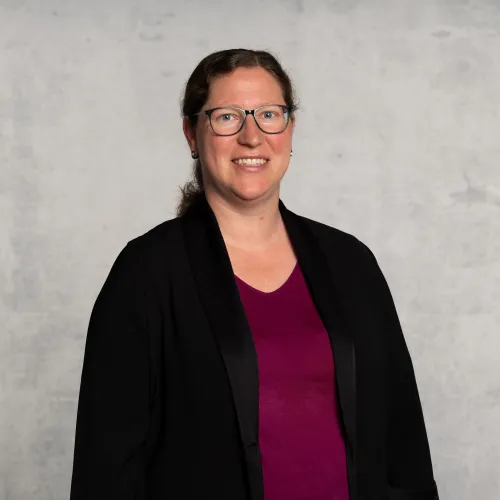
Cornelia Hausammann
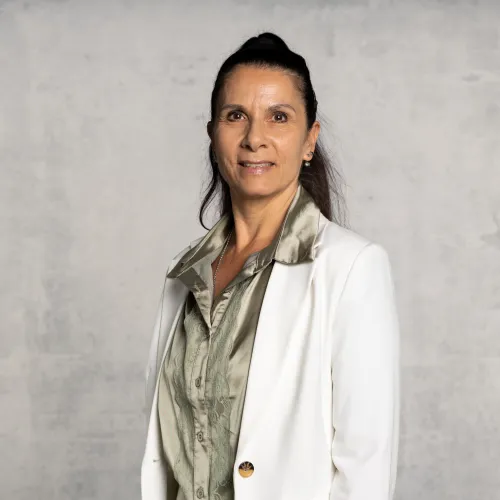
Astrid Hirt
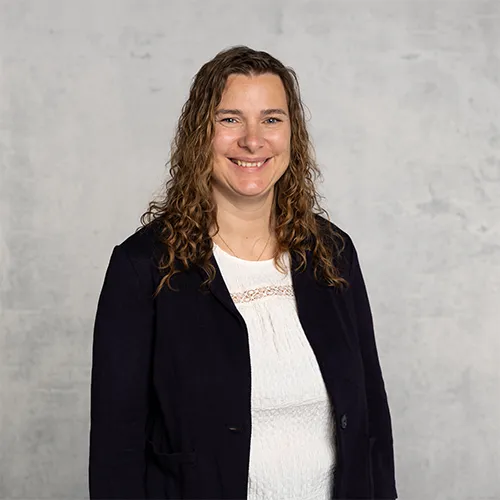
Stefanie Hiltbrand
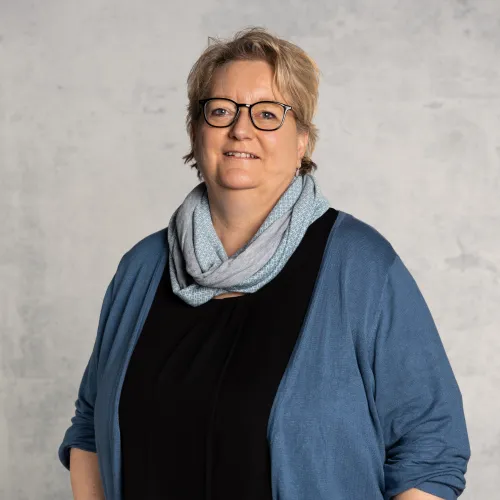
Kathrin Estermann
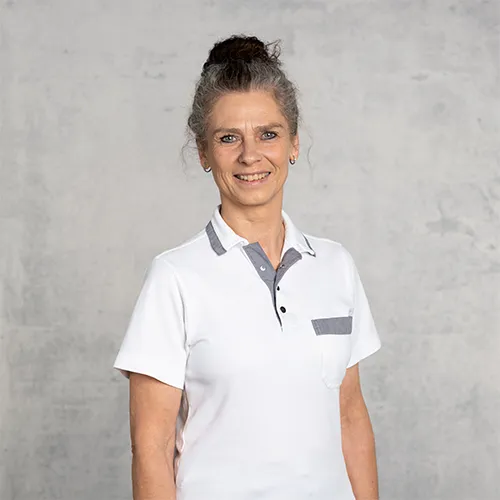
Astrid Eichholz
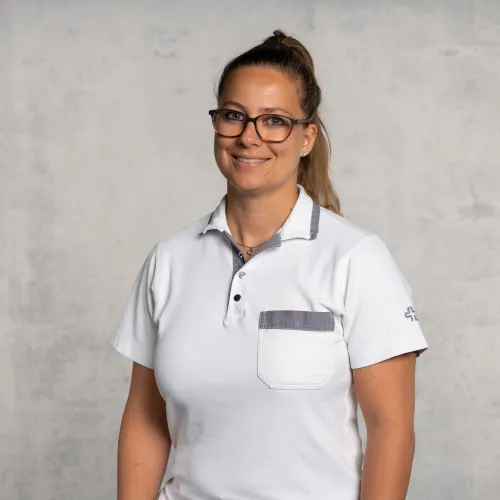
Rahel Wyrsch
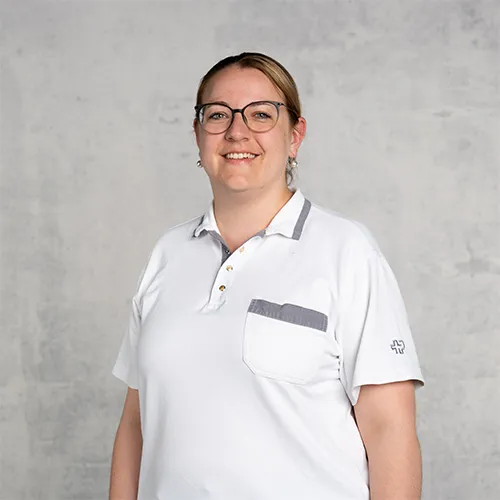
Linda Steinmann
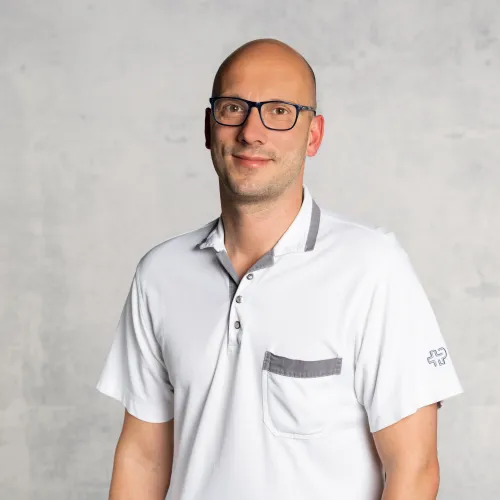
Martin Buckreus
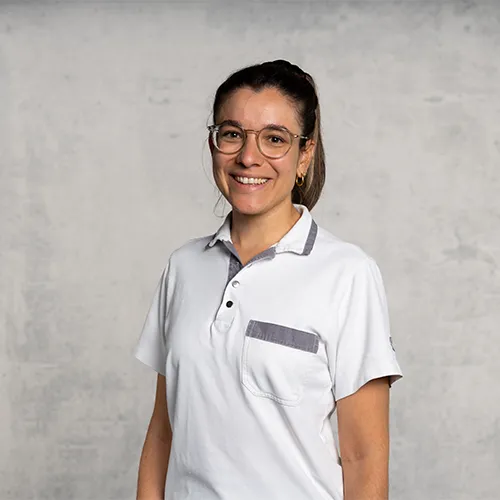
Jlona Knausz
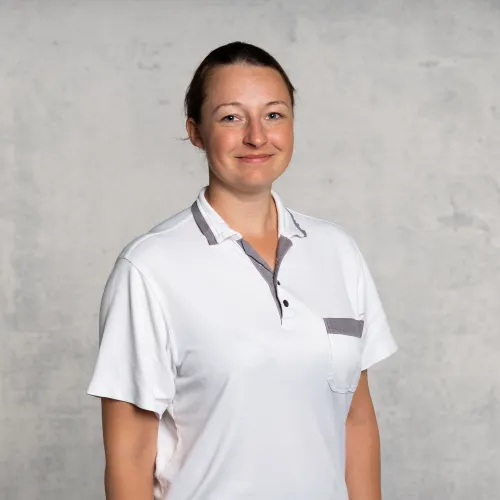
Vanessa Stadler
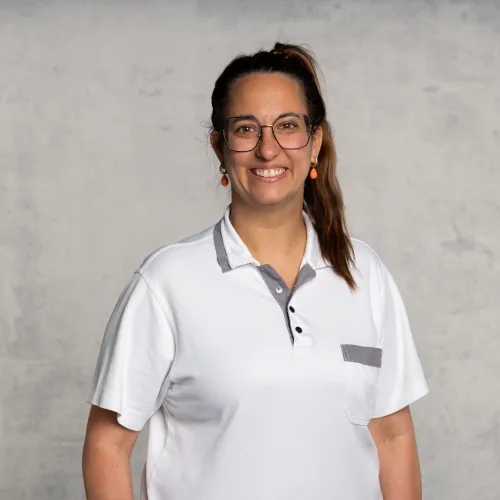
Evelyne Arnold

Tamara Leutwyler
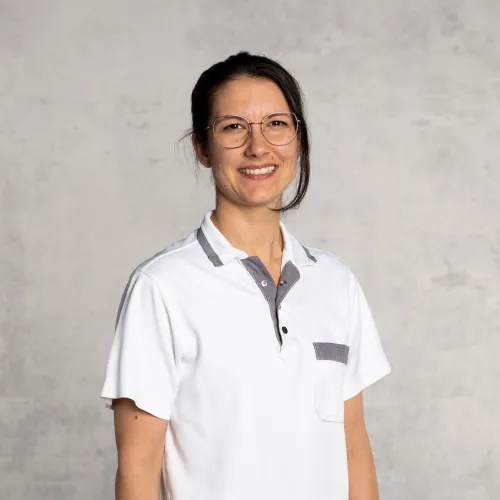
Amanda Rüttimann

Susanne Lanz
Werden Sie jetzt Mitglied und erhalten Sie im Ernstfall 250 000 Franken.
Spenden Sie jetzt und unterstützen Sie unsere Projekte zugunsten von Querschnittgelähmten.