A core competency of the Swiss Paraplegic Centre
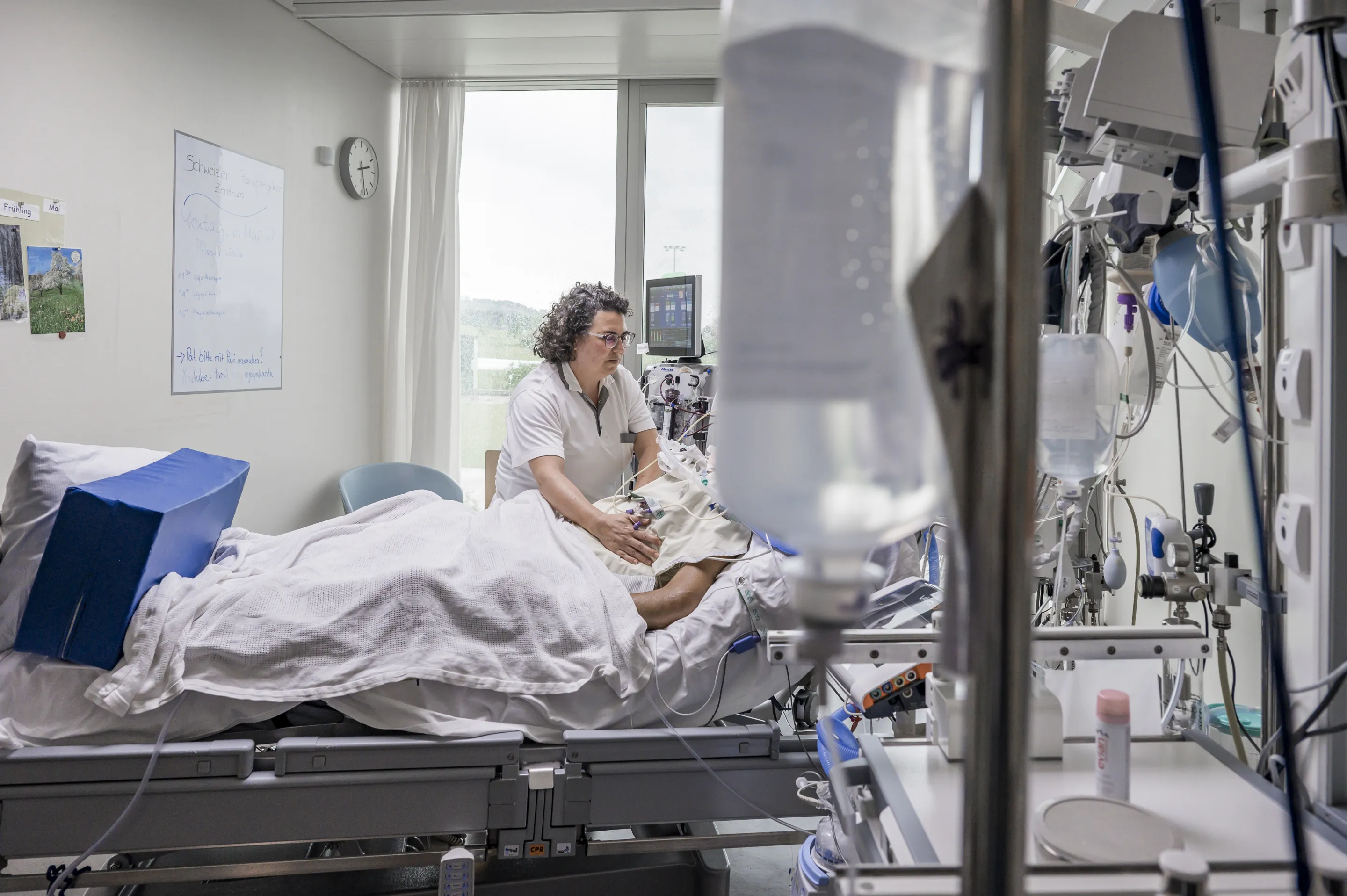
An interdisciplinary team of specialists from the fields of intensive care, pneumology, rehabilitation, respi care, speech therapy, nutritional therapy, physiotherapy and occupational therapy helps patients with and without spinal cord injuries to gradually wean themselves off mechanical ventilation.
Weaning therapy is performed on mechanically ventilated patients in both the Intensive Care Unit and the general ward. When mechanical ventilation is required at home, we deploy an expert team to help set up the ventilators, as well as “flying nurses” to supervise the patients.
What does 'weaning' (or 'ventilator weaning') mean specifically?
The process of ventilator weaning represents a challenge for most patients. Protracted periods of ventilation in intensive care units, long-term ventilation in general, and at-home ventilation therapies are on the rise in Switzerland and the entire Western world. These therapies require professional expertise with relevant specialised resources.
A well-coordinated, interdisciplinary respiratory rehabilitation team is available for this purpose around the clock. The focus is on the treatment, care, counselling and training of patients and those around them, which means individual aftercare from the acute phase to after the inpatient stay.
The complex respiratory management is part of daily living for patients. This includes ventilation (mechanical or with respiratory assist devices), weaning, set-up of at-home ventilation and cannulae management.
Our focus is on the patient
Intensive care medicine of course uses various technical devices. Visitors often meet their relatives “hooked up” and connected to machines. That is why it is very important for us to also include the human aspects of our patients and their relatives in the treatment.
We place great importance on the individual needs of our seriously ill intensive care patients. A quiet environment with daylight in every room and a modern lighting concept help to reduce sleep disturbances, anxiety and stress. Because patients in an intensive care unit can sometimes only communicate to a very limited extent or not at all, our medical and nursing team is trained to recognise physical and psychological changes. Here too, close contact with relatives is very important.
Relatives can tell us, for example, what has been important to patients so far, what their habits are, what they like and dislike, and which medical measures are generally desired or refused. With the support of our activation therapist, we incorporate all these aspects into our treatment concept wherever possible.
Contact and referrals
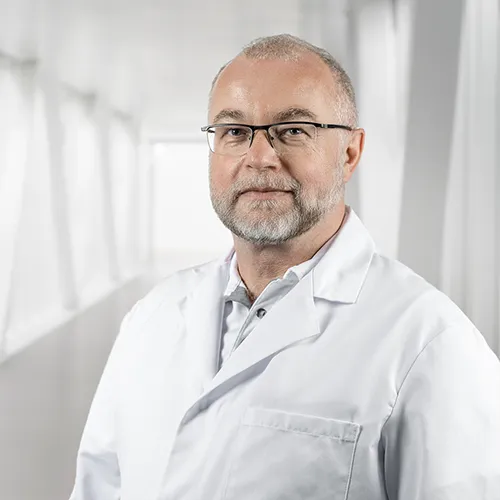
Renato Lenherr
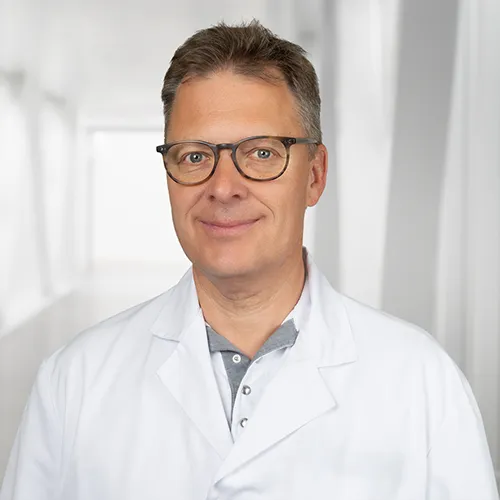
Dr. med. Luca Brendebach
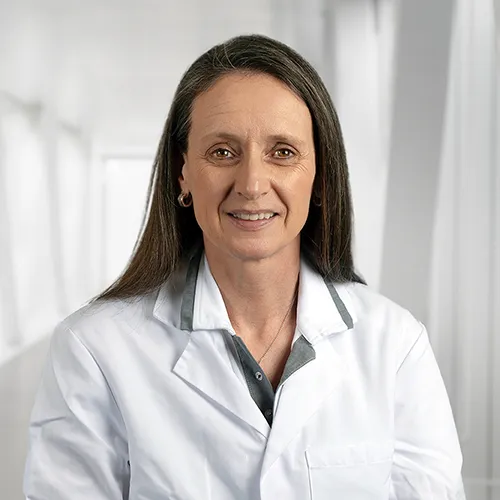
Dr. med. Andrea Göhring
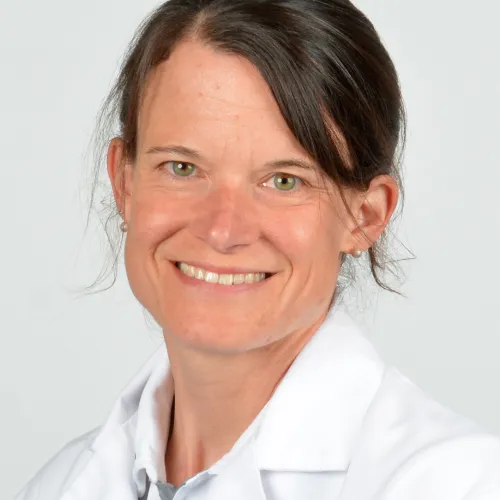
Dr. med. Michelle Carmen Lea Iseli
Werden Sie jetzt Mitglied und erhalten Sie im Ernstfall 250 000 Franken.
Spenden Sie jetzt und unterstützen Sie unsere Projekte zugunsten von Querschnittgelähmten.