
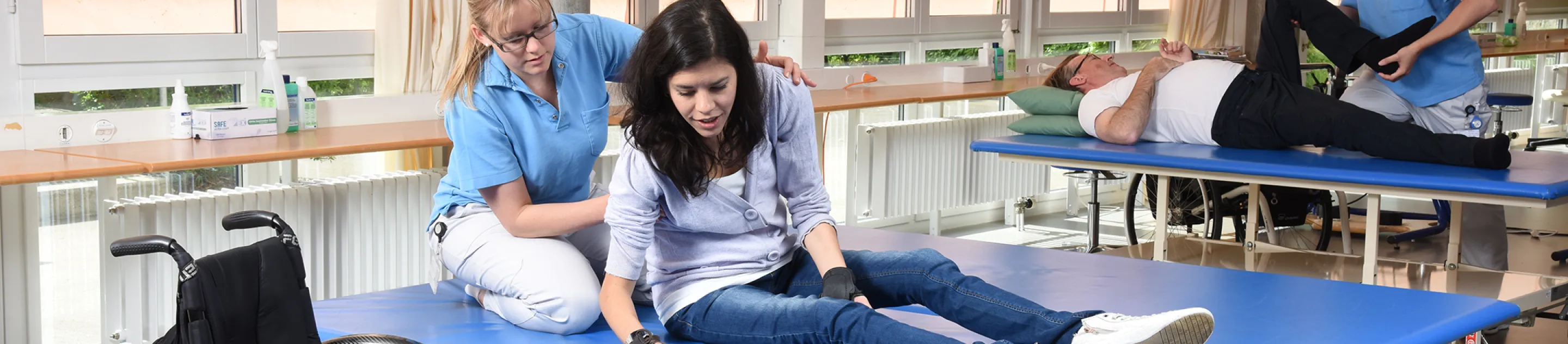
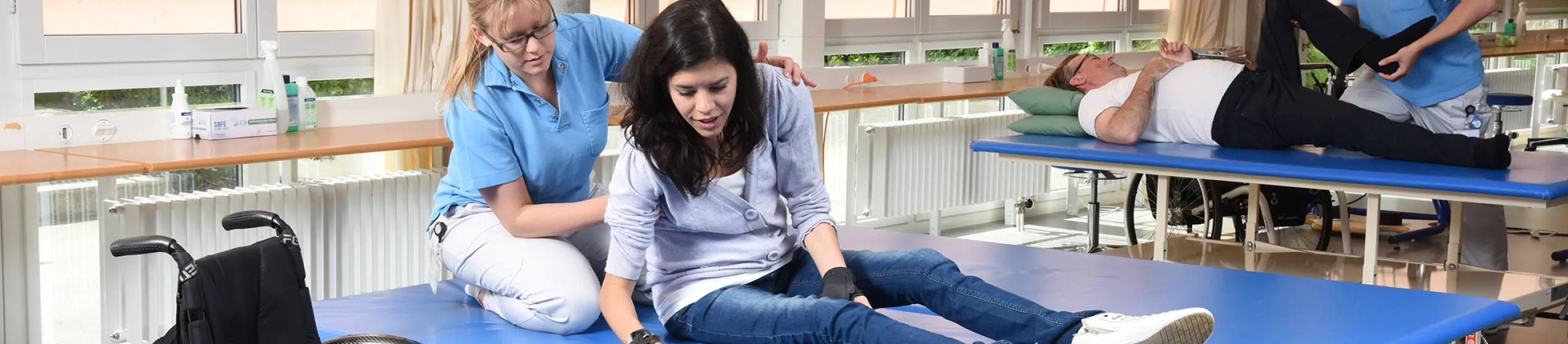
Rehabilitation only achieves first-rate outcomes if the various dimensions of health integrity and disability are systematically taken into account for every patient. This is why we pool the expertise of our rehabilitation specialists from the most diverse fields to obtain an interprofessional rehabilitation concept that is consistently based on individual needs. In this process, job descriptions such as physiotherapist and occupational therapist merge into “spinal cord injury therapist” and, drawing on state-of-the-art robotics and extensive cooperation with other leading institutions, we extend our leadership in this area every single day.
Outpatient therapies
Our therapists offer you specific therapeutic advice and treatment based on your individual situation and treatment goals. We support you as you achieve the greatest possible freedom of movement and independence. We adapt procedures and interventions to your requirements. We plan therapy in close cooperation with the attending doctors.
Our specialists
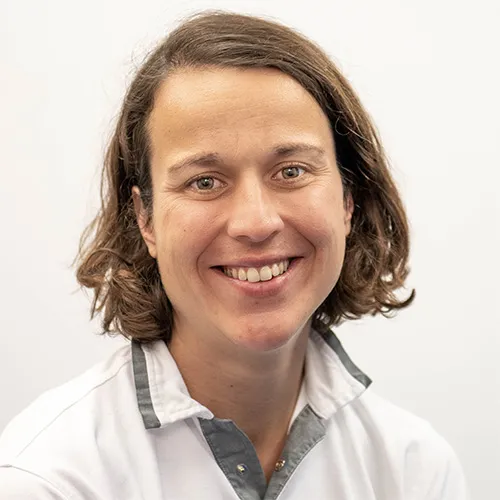
Anna Schär
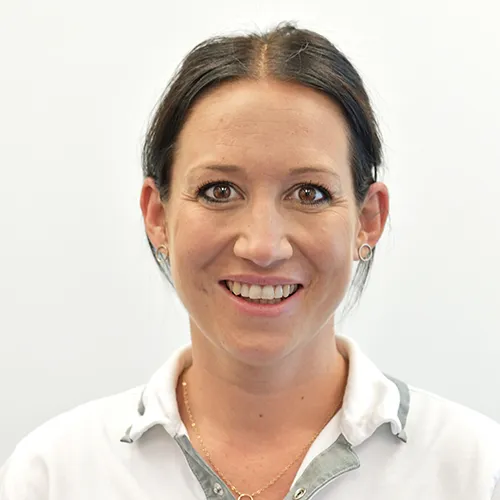
Pascale Schweizer
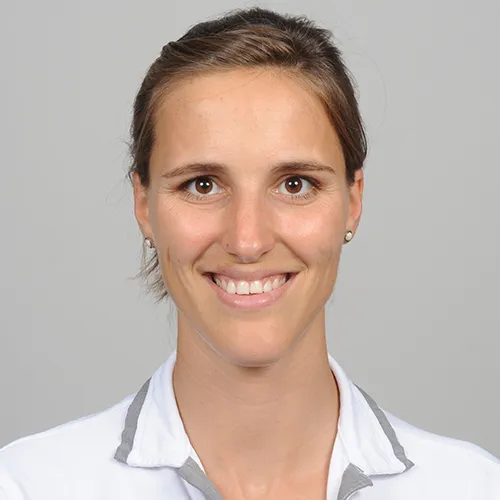
Leandra Staub
Registration for outpatient treatment
Outpatient Care Unit
“The physiotherapy and occupational therapy teams solve problems with their high-quality and efficient work, always with a human touch.”
Inpatient therapies
Our work with inpatients is based on a detailed investigation and appropriate therapeutic interventions. We base what we do on the available medical facts.
Our specialists
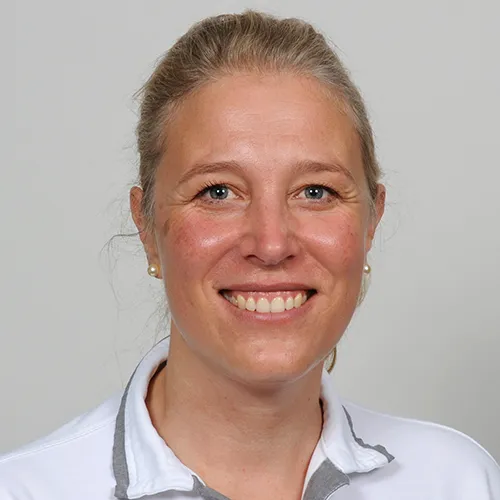
Jessica Decker
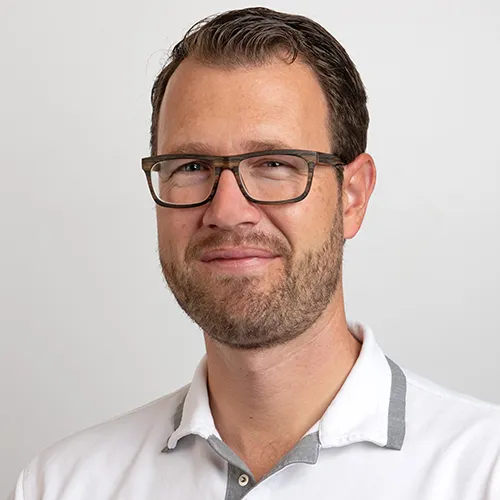
Pirmin Oberson
Occupational therapy
The occupational therapy team supports and accompanies people whose activities are limited by various conditions.
Physiotherapy
Physiotherapy is a specific form of training for people with limited capacities in terms of bodily functions and movement.
Complementary therapies
Complementary therapies offer our patients a wide range of methods. Conventional complementary therapies comprise treatment methods that have an effect on the body using physical laws, e.g. the application of heat, light, force, electricity and magnetic fields.
Sports therapy
Sports therapy (is part of interdisciplinary rehabilitation and) uses the principles of sport science to achieve rehabilitation goals, such as improving strength, endurance, mobility and movement coordination.
Werden Sie jetzt Mitglied und erhalten Sie im Ernstfall 250 000 Franken.
Spenden Sie jetzt und unterstützen Sie unsere Projekte zugunsten von Querschnittgelähmten.